

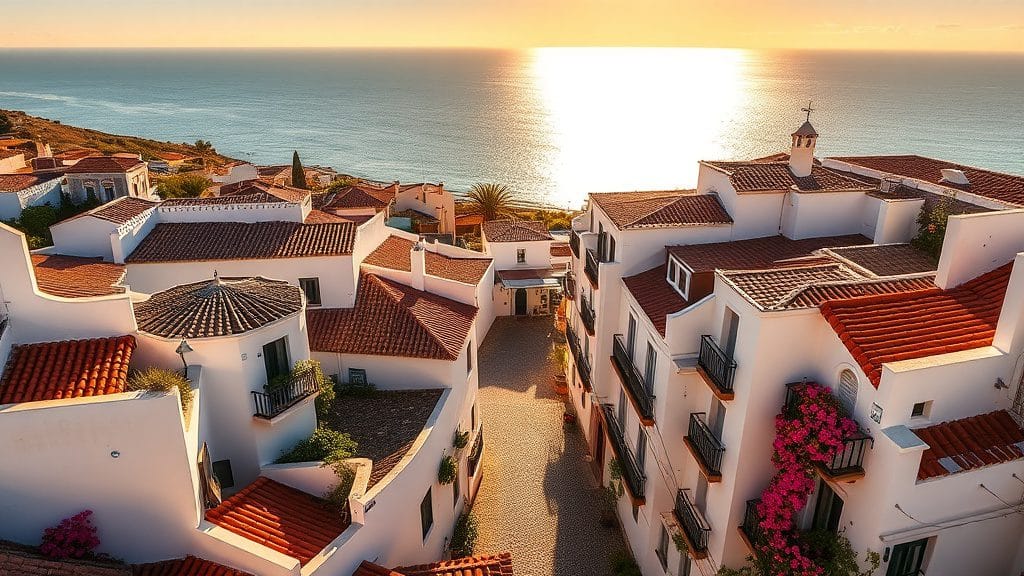
Estepona has become one of the Costa del Sol’s most desirable destinations for international buyers looking to relocate permanently or spend extended periods in Spain. This charming coastal town offers an authentic Andalusian atmosphere while providing modern amenities and excellent infrastructure that appeals to families, retirees, and remote workers alike.
Moving to a new country involves more than finding the right property. Understanding legal requirements, healthcare systems, educational options, and day-to-day practicalities makes the difference between a smooth transition and months of unnecessary stress. This guide walks you through everything you need to know before making Estepona your new home.
Understanding Residency Requirements
Your residency status depends on your nationality and how long you plan to stay. EU and EEA citizens benefit from freedom of movement, allowing them to live and work in Spain without special permits. However, if you’re staying longer than three months, you’ll need to register with local authorities and obtain a registration certificate (certificado de registro).
Non-EU citizens face different requirements. If you’re planning to stay beyond 90 days, you’ll need to apply for a visa before arriving in Spain. The most common options include the non-lucrative residence visa for retirees or those with sufficient financial means, the golden visa for property investors spending at least €500,000, and work or entrepreneur visas if you’re planning to be professionally active.
The application process typically requires proof of financial means, private health insurance, a clean criminal record, and medical certificates. Requirements can change, so consulting with an immigration lawyer or gestor (administrative specialist) early in your planning ensures you have current information and complete documentation.
Navigating the Healthcare System
Spain’s healthcare system consistently ranks among the best in Europe, and Estepona benefits from both public and private medical facilities. Understanding how to access healthcare is essential before your move.
EU citizens with an EHIC (European Health Insurance Card) have temporary access to Spanish public healthcare. For permanent residents, you’ll either contribute through employment and social security, demonstrate sufficient financial resources, or purchase private health insurance.
Many international residents in Estepona choose private healthcare for faster access to specialists and English-speaking doctors. The town has several private clinics and hospitals, with larger facilities in nearby Marbella and Málaga. Monthly premiums are generally affordable compared to other European countries, often ranging from €50 to €150 depending on age and coverage level.
Estepona Hospital Costa del Sol provides comprehensive public healthcare services, while numerous private clinics offer everything from general practice to specialist treatments. Pharmacies are well-stocked and pharmacists can often provide medical advice for minor ailments.
Finding and Purchasing Property
The property buying process in Spain differs from many other countries, and understanding each step prevents complications. When you’ve identified a property you’re interested in, the typical process involves making an offer, signing a reservation contract with a small deposit, conducting due diligence through your lawyer, signing the private purchase contract (contrato de compraventa) with a larger deposit, and completing the sale before a notary.
Budget for additional costs beyond the purchase price. Expect to pay around 10-12% in total fees, including transfer tax (ITP) or VAT for new builds, notary fees, land registry fees, and legal costs. Your lawyer should verify that the property has clear title, no outstanding debts, proper building permissions, and accurate boundary descriptions.
Working with a reputable local agency that understands the needs of international buyers makes the process significantly smoother. They can guide you through viewings, negotiate on your behalf, and coordinate with lawyers and other professionals. If you’re ready to explore what’s currently available, browse properties in Estepona to get a sense of the market.
Opening Bank Accounts and Managing Finances
Opening a Spanish bank account should be one of your first priorities after deciding to relocate. You’ll need it for paying utilities, setting up direct debits, and managing property-related expenses. Most banks require your passport or ID, proof of address (which can be challenging initially), and your NIE (Número de Identidad de Extranjero), a tax identification number that’s essential for nearly all official transactions in Spain.
Obtaining your NIE can be done at a Spanish consulate in your home country before moving, or at the local police station or designated office in Spain. Many people use a gestor to handle this process, as appointment availability can be limited and requirements vary by location.
Consider how you’ll transfer money internationally and manage currency exchange if you’re bringing funds from abroad. Regular international transfer services, specialist currency brokers, or maintaining accounts in both countries are all common approaches. Currency specialists often offer better exchange rates than traditional banks for large transactions like property purchases.
Education Options for Families
Families relocating to Estepona have several educational choices. The town has Spanish state schools that follow the national curriculum, which can be an excellent option for younger children who adapt quickly to language immersion. These schools are free and provide a thorough education while helping children integrate into Spanish culture and become fluent in the language.
For families preferring education in English or following different curricula, several international schools serve the Estepona area. These include British curriculum schools, American curriculum options, and the International Baccalaureate programme. Most are located within a 20-30 minute drive along the coast.
International schools charge fees that vary considerably based on the institution, age group, and specific programme. Expect annual costs from around €5,000 to €20,000 or more for prestigious schools. Many schools offer sibling discounts and payment plans. Visiting schools before committing helps you assess facilities, teaching quality, and whether the environment suits your child’s needs.
Daily Life and Integration
Adapting to Spanish lifestyle rhythms makes settling in easier. Shops and businesses typically close for siesta between 2pm and 5pm, with many reopening until 8pm or later. Restaurants serve lunch from around 1:30pm to 4pm and dinner rarely begins before 9pm. Supermarkets generally operate from 9am to 9pm, though some larger chains stay open throughout the day.
Learning Spanish significantly improves your experience, even though many locals speak English in tourist areas. Basic conversational Spanish helps with official procedures, healthcare appointments, making local friends, and accessing services outside expat-heavy zones. Language schools, private tutors, and conversation exchange groups are readily available in Estepona.
The town hosts a substantial international community, making it easy to meet people from various backgrounds. Numerous social clubs, sports groups, volunteer organisations, and networking events cater to different interests and age groups. The Facebook groups and local forums can be valuable resources for practical advice and social connections.
Practical Matters: Utilities, Transport, and Connectivity
Setting up utilities is straightforward once you have your NIE and Spanish bank account. You’ll need to arrange electricity, water, internet, and potentially gas. Some properties include community fees that cover certain utilities and maintenance of common areas.
Estepona’s location provides excellent connectivity. Málaga Airport is approximately 80 kilometres east, with regular buses and transfer services making the journey in about an hour. The town has reliable public bus services connecting to nearby towns and cities, though many residents find having a car convenient for exploring the wider region and accessing larger shopping centres.
Internet and mobile phone services are reliable and competitively priced. Several providers offer fiber-optic broadband with speeds suitable for remote work and streaming. Mobile plans are inexpensive compared to many European countries, with unlimited data packages widely available.
Making Your Move
Relocating to Estepona offers an exceptional quality of life combining Mediterranean climate, beautiful beaches, rich culture, and modern conveniences. The town has retained its authentic Spanish character while welcoming international residents, creating a unique blend that appeals to many relocators.
Starting your planning early, getting professional advice on legal and tax matters, visiting multiple times before committing, connecting with the existing international community, and being patient with administrative processes will set you up for success.
The effort invested in understanding Spanish systems and integrating into local life pays dividends in your long-term satisfaction and sense of belonging. Estepona rewards those who embrace both its traditional charm and contemporary opportunities, making it an ideal base for your new chapter in Spain.